
How digital marketers achieve 48% more installs, doubled revenue and transformed teams
The IAB SEA+India AI Council brings together leaders from across the digital marketing ecosystem to address the region’s most critical AI implementation challenges and opportunities. Members lead presentations and discussions on priority topics, with the IAB SEA+India team developing these into features to share the Council’s insights and guidance with the wider industry.
Presenter: Nikhil Motwani, WPP Media.
Discussion Participants: Aileen Chua, RTB House; Andrew Ridsdale-Smith, Kantar; Divya Acharya, WPP Media; Emir Caglayan, WPP Media; Haroon Qureshi, Mindshare; Ibrahim Merican, Magnite; Joseph Lee, PubMatic; Lee Smith, Omnicom Media Group; Marc Holloway, Smartly; Matthew Drury, Meta; Miranda Dimopoulos, IAB SEA+India; Nhi Tran, WPP Media Vietnam; Priya Bhatia, OpenX; Rohiet Ghildyaal, Dun & Bradstreet; Ryan Pham, Google.
TL;DR: Southeast Asia and India are abandoning manual media buying processes which can consume hours daily for AI systems delivering measurable efficiency gains and cost reductions. The result: more relevant advertising experiences for consumers and better business outcomes for brands.
Why Southeast Asia & India’s Complexity Creates the Perfect AI Opportunity
Media buying and optimisation across Southeast Asia and India has reached a transformational moment for the entire digital marketing ecosystem. What began as industry scepticism towards early bidding algorithms has evolved into the adoption of comprehensive AI ecosystems fundamentally changing how brands, agencies, and platform partners operate, structure teams, and deliver client value.

“Media buying optimisation is no stranger to AI,” explains Nikhil Motwani, Senior Director at WPP Media. “What we’re seeing now is the natural evolution of capabilities beginning with early bidding algorithms. The sophistication has reached a point where we can automate complex optimisation decisions which would be impossible to handle manually at scale.”
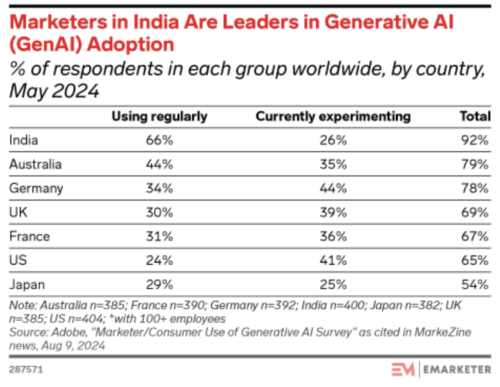
This transformation reflects broader regional advantages in AI adoption and entrepreneurial momentum. India leads the world in generative AI adoption with 92% of marketers either using regularly (66%) or experimenting (26%) with GenAI tools, creating an innovation environment accelerating adoption across the region.
The shift from manual to AI-powered optimisation represents an essential evolution in thinking. “We’ve reached an inflection point where manually we are not able to consider enough dimensions for optimisation versus what AI systems can deliver,” Motwani observes. “The acceleration has been remarkable; Meta launching its own AI suites, TikTok joining the ecosystem, plus third-party partners developing sophisticated solutions. This creates unprecedented opportunities for media optimisation.”
Where manual processes can struggle with the region’s diverse regulatory frameworks, platform preferences, and cultural contexts, AI systems now handle these multiple variables simultaneously with the precision and speed modern media buying demands. This sophistication translates directly into better consumer experiences; more relevant ads, improved timing, and reduced advertising fatigue through smarter frequency management.
The shift represents more than technological advancement, the entire digital marketing ecosystem has moved from initial testing to widespread implementation, recognising AI capabilities deliver both operational efficiency and improved campaign performance when properly deployed across brands, agencies and platform partnerships.
Three Strategies for AI-Powered Media Buying & Optimisation Success
The complexity of Southeast Asia and India’s digital marketing landscape creates opportunities for brands, agencies, and technology partners to collaborate in new ways. These three approaches demonstrate different ways teams can implement AI strategies.
Strategy 1: Partnership-Based AI Pilots
When agencies, clients and partners approach AI adoption as collaborative experimentation instead of technology mandates, they build confidence for broader transformation. CIMB Thai Bank‘s approach illustrates this philosophy, piloting Meta’s Advantage+ App campaigns alongside established manual workflows. CIMB Thai Bank’s trial generated 48% more app installs and 33% reduced cost per install compared to conventional ad formats, whilst delivering more relevant financial service recommendations to consumers at optimal moments in their customer journey.

Strategy 2: Cross-Platform Performance Optimisation
AI systems excel at processing multiple variables simultaneously, optimising campaign performance across platforms in real-time. Beyond depending on manual analysis and reactive adjustments, intelligent platforms continuously test, learn, and refine targeting, bidding, and creative distribution to maximise outcomes.
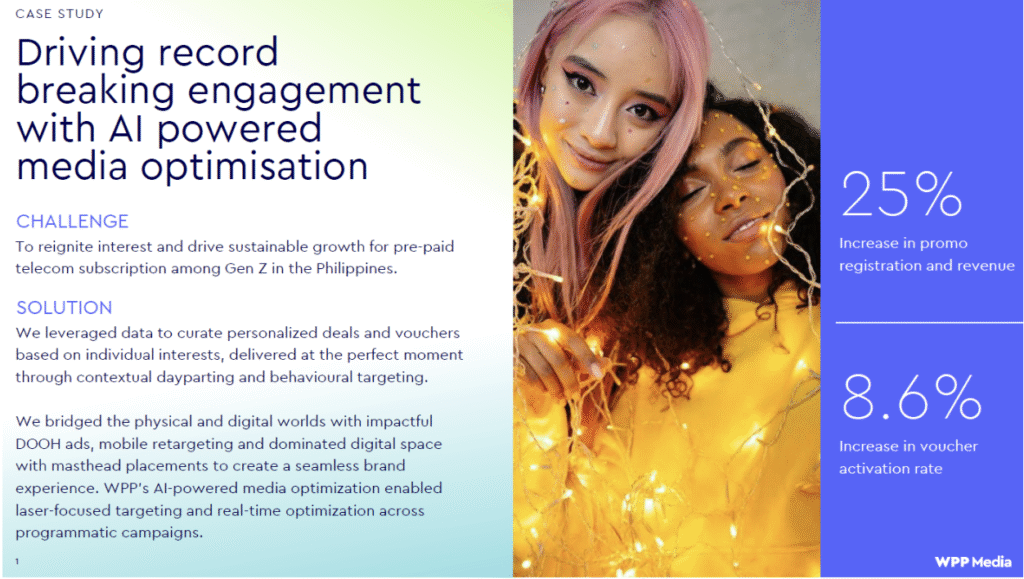
A pre-paid telecom brand in the Philippines highlights how AI-driven optimisation strengthens campaign efficiency in complex, youth-focused markets. Deploying WPP Media’s optimisation technology, the brand integrated DOOH, mobile retargeting, and digital placements into a single coordinated framework. The AI system identified high-performing contexts in real time, shifting investment to the most effective touchpoints.
The campaign delivered a 25% increase in promo registrations and revenue, plus an 8.6% rise in voucher activation evidence that AI can both increase efficiency and expand engagement with Gen Z audiences.
For consumers, this meant more relevant offers appearing at the right moments in their daily routines, making promotions feel timely and useful without being intrusive.
Strategy 3: Multi-Market Automation
AI-driven automation empowers teams to scale insights and optimisations across geographic markets simultaneously. When patterns emerge in one territory, AI systems rapidly assess comparable trends across other regions, enabling swift responses manual analysis cannot match for speed or scope.
The One Digi Corp’s international expansion shows this capability. Beginning with visa services advertising to foreign visitors in Vietnam during 2024, the company collaborated with Google on a six-week pilot using broad match and conversion-focused bidding. Following successful testing, the business advanced to Target CPA bidding and expanded across 10 markets – generating 135% increased conversion volume, doubled revenue, and 20% reduced cost per conversion.
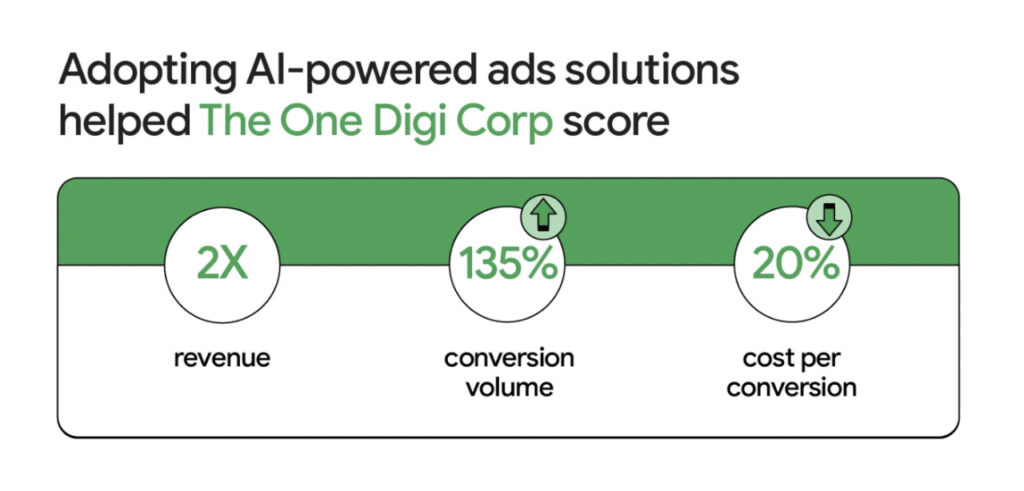
This coordinated approach enables lean teams to compete with larger companies while still maintaining quality oversight across varied international conditions, proving AI automation multiplies results across global markets from Southeast Asian headquarters.
How AI Empowers Media Teams to Focus on Strategy
Until now, Media Buying & Optimisation relied heavily on humans making a time investment on repetitive mundane tasks like manual planning and operational campaign setups across multiple platforms for a client. With AI now automating repetitive tasks, human intelligence is adding greater value to media buying across the ad tech ecosystem for agencies as well as partners.
AI-powered media buying fundamentally redesigns team capabilities across Southeast Asia and India. These technologies enhance human potential by handling routine processes, enabling media teams to concentrate on high-impact strategies driving business growth and adding value to clients.
More Capacity for High-Value Client Work

The most profound change occurs in daily operational priorities. “Instead of starting your day looking at performance data, downloading databases, and manually analysing what happened yesterday,” explains Nhi Tran, Nexus Media Solutions, Lead at WPP Media Vietnam, “AI shortened the time teams need for manual tasks. They have more time for thinking about what else I can do for the campaign or for the client.”
This evolution enables teams to shift from reactive campaign maintenance to proactive planning. “We’re moving towards a direction where people do less technical stuff. Let the AI do the heavy lifting like finding trends,” notes Joseph Lee from PubMatic. “With critical thinking and being more partners to our clients, we bring insights out quicker.”
More Comprehensive Client Intelligence
Teams deploying AI capabilities discover they can serve broader client portfolios with enhanced engagement quality. “We’re getting people to free up more operational time through AI tools,” explains Lee. “We can service more clients much more effectively and bring them back better insights. That’s more useful than just reporting spend went up.”
This efficiency directly benefits consumers through improved ad relevance and reduced advertising clutter. When teams can analyse more data points and respond faster to consumer behaviour patterns, advertising becomes more helpful and less intrusive.

Regional scale amplifies this advantage significantly. Ibrahim Merican, Lead, Demand Account Management, Asia at Magnite describes this result: “We’re four people servicing 10 markets with all the major holdcos, DSPs, and direct brands. We’re able to deliver very fast insights – when we spot a trend one week, we can immediately engage with the right clients about it.”
More Advanced Analysis Opportunities

Rather than diminishing human contributions, AI evolution reinforces specialised expertise areas. “I think as we have more mundane tasks automated, what’s missing is the critical thinking of overall optimisation design based on brand business objectives,” observes Andrew Ridsdale-Smith, Head, APAC Analytics Practice at Kantar. “Team structures will evolve into more critical thinking, more analytical, more objective perspectives to get into the weeds of algorithm analysis and transparency.”

Enhanced efficiency creates space for deeper client relationships. “Time can be well spent on spending it with clients, making it more efficient in terms of providing them trends, insights and having deeper conversations instead of focusing only on the top hundred in every market,” explains Priya Bhatia, RVP, Publisher Development APAC at OpenX. “Now we’re able to focus more on even the smaller ones.”
This human-AI partnership generates competitive advantages building over time as teams master directing campaign intelligence while moving away from executing mechanical tasks, positioning teams as trusted advisors instead of operational managers. The ultimate beneficiary is the consumer, who receives more thoughtful, contextually relevant advertising experiences that respect their time and interests whilst helping them discover products and services genuinely suited to their needs.
Creating a Virtuous Circle of AI Media Success
AI adoption in media buying continues gaining momentum across Southeast Asia and India. From partnership-based pilot testing building confidence, to cross-platform performance optimisation handling complex variables automatically, to multi-market scaling multiplying team results, successful implementations share common characteristics: they balance automation with human oversight whilst delivering measurable business outcomes.

This transformation extends beyond campaign improvements. “We’re moving towards a direction where people do less technical stuff. Let the AI do the heavy lifting like finding trends,” explains Joseph Lee, Director, Advertiser Solutions, SEA + Korea + Hong Kong + Taiwan at PubMatic. “We apply AI to explain why certain decisions are made. Then with critical thinking and being more partners to our clients, we bring insights out quicker.”
Teams adopting AI capabilities gain time to focus on thinking driving sustainable growth whilst AI systems handle the operational complexity manual processes cannot match at scale. This human-AI collaboration creates competitive advantages which will compound over time as teams develop expertise in directing instead of executing campaign mechanics.
The regional opportunity is significant. “What SEA and India have is a hotbed of AI development,” notes Motwani. “A lot of business is coming up. Everyone’s focused on trying to get their share of the piece and then obviously brands and agencies looking to see how we can optimise on this front.”
Southeast Asia and India’s early adoption momentum positions the region well as AI capabilities continue evolving. Companies developing these competencies now, whether through extensive deployment or selective adoption based on their specific needs, capture operational efficiencies and performance improvements defining market leadership.
Ultimately, this AI-driven transformation creates a virtuous cycle: more efficient media buying enables better targeting and personalisation, delivering superior consumer experiences whilst improving business outcomes. As consumers receive more relevant, timely, and helpful advertising, engagement rates improve, creating better data for further optimisation benefiting brands, agencies, and consumers alike.
Glossary:
- Predictive Buying: AI systems that forecast optimal timing, audiences, and media placements before campaigns launch, reducing guesswork in media planning
- Audience Expansion: Machine learning algorithms to identify new customer segments with similar behaviours to existing high-value customers, extending reach beyond manual targeting
- Smart Bidding: Automated bidding strategies using machine learning to optimise bids in real-time based on conversion likelihood and campaign objectives
- Data Governance Framework: Policies and procedures to ensure AI tools use client data securely and compliantly whilst maintaining competitive advantages
- Attribution Approaches: Methods for measuring which marketing touchpoints contribute to conversions, crucial for training AI systems on desired outcomes
want to read more insights from the iab sea+india ai council?
The IAB SEA+India AI Council brings together expert insights and real use cases of AI across the region, helping the industry navigate opportunities in Southeast Asia and India.